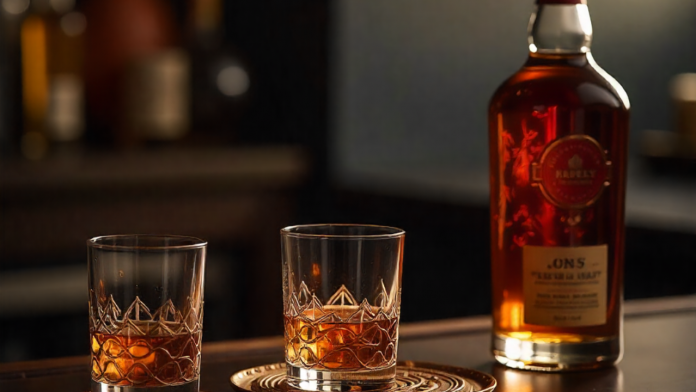
India’s whisky shelves are looking less like a tour of Scottish highlands and more like a celebration of homegrown craft. For the first time on record, sales of Indian single malts overtook Scotch imports in 2024, according to IWSR Drinks Market Analysis.
Leading the charge is Indri, a four-year-old label from Haryana’s Piccadily Agro Industries, which outsold Scotch stalwarts Glenlivet and Glenfiddich to become India’s top-selling single malt last year. It shares the podium with fellow Indian names Paul John, Rampur and Amrut, which now dominate the first six spots by sales.
The shift is being driven by quality, accessibility and price. “There is a clear move from imported whiskies to Indian single malts that deliver premium taste at a lower cost,” said Piccadily Agro CEO Praveen Malviya, adding that Indri’s demand has outpaced supply.

The numbers are striking. Sales of Indian single malts surged over 75 percent in 2023 to around 9,000 nine-litre cases, before climbing a further 25 percent in 2024, significantly outpacing Scotch. Wider retail presence and access through the Canteen Stores Department, where foreign brands are barred, have added momentum.
Indian single malts skip age statements, not out of compromise but climate reality. While Scotland loses 2-3 percent of spirit annually to evaporation, India’s “angels’ share” can top 10 percent, making five to eight years the sweet spot for maturation. Globally, age is no longer the ultimate badge of quality. “Consumers now chase distinctive notes, whether smoky or sweet,” said Alok Gupta, chief executive of Allied Blenders, which is building its own malt distillery.
With new entrants from both domestic players and global giants like Pernod Ricard and Diageo, India’s single malt story is no longer a niche subplot. It’s the main act—and Scotch is no longer the automatic hero.